
 English
 Español
 Deutsch
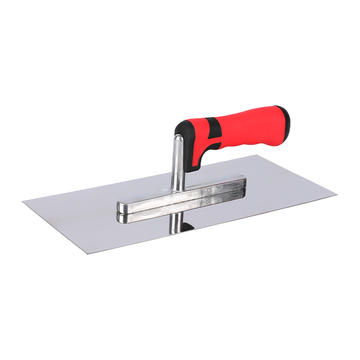
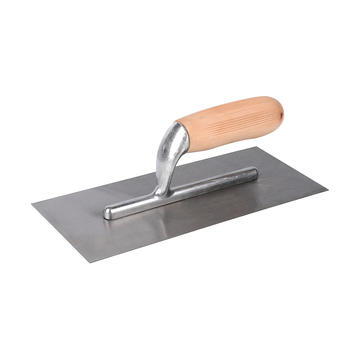
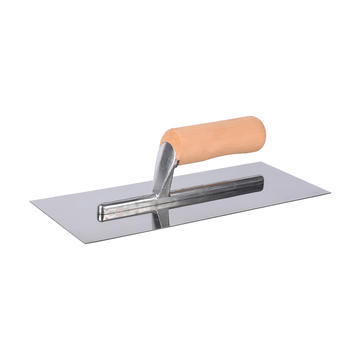
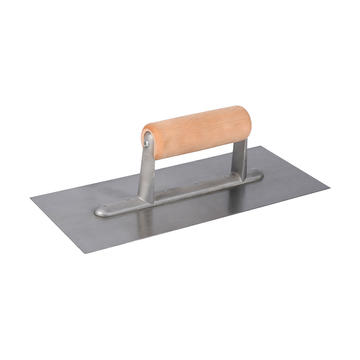
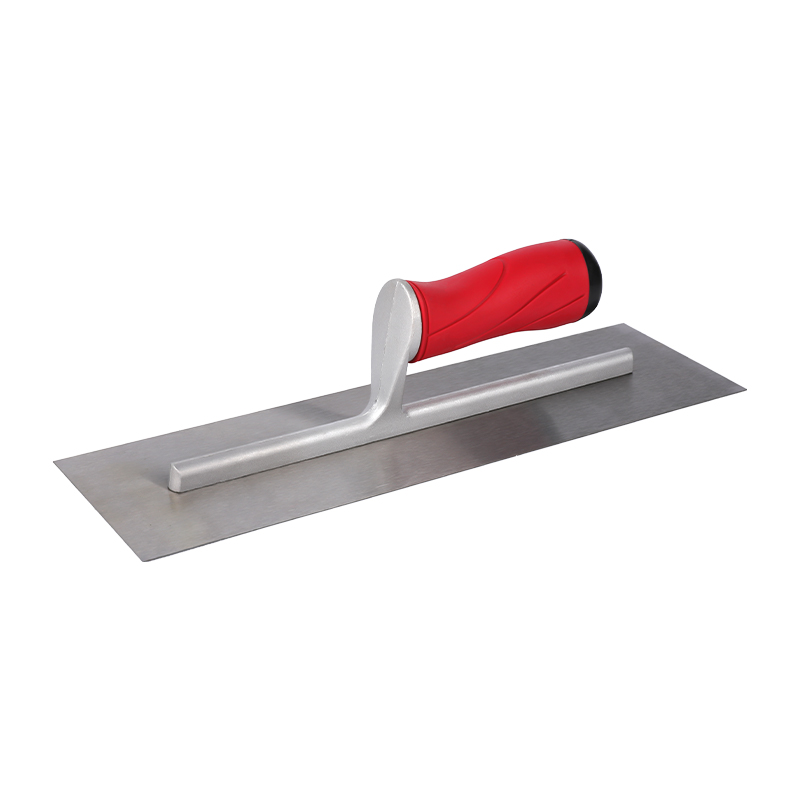
Achieving a consistent plaster finish depends on several factors, including substrate preparation, plaster consistency, application technique, and the tools used throughout the job. For professional plasterers, contractors, and construction tool distributors, choosing the right Plaster Trowel can make daily work more manageable and help reduce surface imperfections that require additional correction. From a manufacturing perspective, blade material, flexibility, edge design, and handle construction all deserve attention when selecting a tool for different plastering applications.
Match the Trowel to the Finishing Task
Not every plastering job requires the same blade size or degree of flexibility. Applying a base coat, smoothing a wall, and completing a thin finishing layer place different demands on the tool. Using an unsuitable trowel may make it harder to distribute material evenly or maintain consistent contact with the surface.
Before selecting a plastering trowel, buyers should consider the type of plaster, the working area, the required finish, and the user's experience. A larger blade may help cover broad surfaces efficiently, while a smaller tool can provide better control around corners and confined areas. Matching the tool to the task helps contractors build a more practical equipment range.
Choose Blade Material for the Working Environment
Blade material influences corrosion resistance, flexibility, maintenance, and working feel. Stainless steel is commonly selected for its resistance to rust and suitability for repeated use, while carbon steel can offer a different balance of cost, rigidity, and maintenance requirements. Flexible blades may also be useful for particular finishing techniques.
For distributors sourcing plastering tools, the important point is to evaluate material according to the intended application rather than relying on appearance alone. Manufacturers should clearly communicate material options and relevant product specifications so buyers can compare tools accurately and select products suited to their customers' working conditions.
Reduce Surface Marks Through Better Edge Design
Uneven lines, scratches, and unwanted ridges can create extra finishing work. Although technique and plaster condition remain important, the shape and condition of the trowel edge can also influence how the blade moves across the surface.
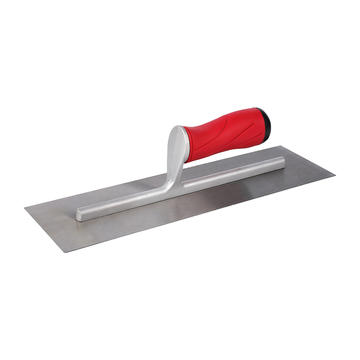
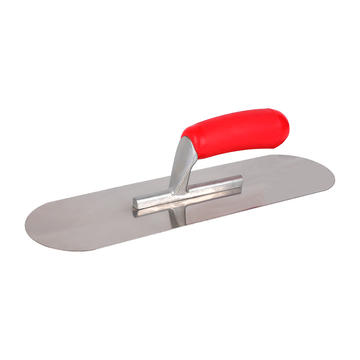
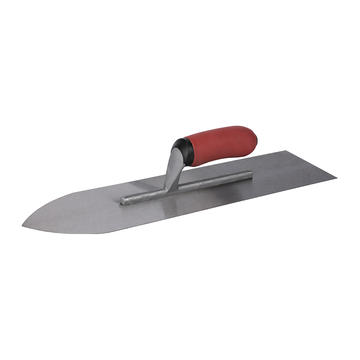
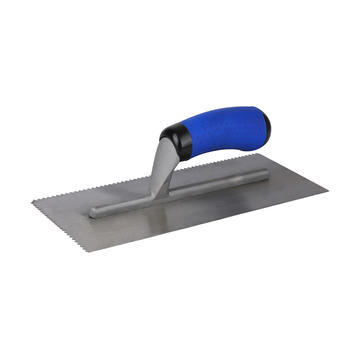
A suitable plaster finishing trowel should have a consistent working edge and a blade profile appropriate for its intended use. Corner geometry also matters: square corners can help with precise work, while rounded corners may reduce the risk of catching the surface during certain finishing passes. Product selection should reflect the balance between precision and ease of control required for the job.
Handle Comfort Matters During Long Working Hours
Plastering involves repeated wrist, arm, and shoulder movements. A poorly balanced tool or uncomfortable grip can make prolonged work more tiring, particularly when contractors are finishing large wall areas or ceilings.
When evaluating an ergonomic plastering trowel, consider several practical details:
- Grip shape: The handle should feel secure and comfortable in the user's hand.
- Tool balance: Weight distribution should support controlled movements.
- Handle attachment: The connection between the handle and blade should remain secure during normal use.
- Surface maintenance: Materials and finishes should suit the conditions in which the tool will be used and stored.
These considerations are relevant to both individual tradespeople and professional buyers sourcing tools for regular site use.
Make Cleaning and Maintenance Part of Tool Selection
Dried plaster residue can affect the working edge and make a tool more difficult to use consistently. Cleaning the blade after use, drying it thoroughly, and storing it appropriately can help preserve its condition. Carbon steel tools may require particular attention to moisture because they are more susceptible to corrosion than stainless steel alternatives.
From a manufacturing standpoint, material selection and construction quality should be considered alongside maintenance requirements. Clear care instructions also help distributors provide more useful product information to contractors and end users.
Evaluate Quality Beyond the Purchase Price
For wholesale buyers, the initial unit price is only one part of a tool's overall value. Blade consistency, handle attachment, finish quality, packaging, and batch-to-batch uniformity can all influence customer satisfaction and repeat orders.
A reliable manufacturing process should include appropriate checks on incoming materials, production workmanship, and finished products. Buyers can also ask suppliers about available blade sizes, handle options, material specifications, and quality inspection procedures before confirming a bulk order. These discussions help establish whether a product range fits the intended market and distribution channel.
Select a Plaster Trowel That Fits Real Site Needs
Different construction projects demand different combinations of control, flexibility, durability, and comfort. The suitable tool is one that matches the plastering task, works well in the user's hand, and can be maintained under normal site conditions. For contractors, distributors, and overseas importers, working with an experienced manufacturer and evaluating the details of each Plaster Trowel can support more informed purchasing decisions and help build a product range around practical finishing requirements.