
 English
 Español
 Deutsch
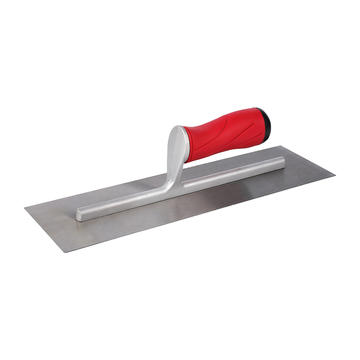
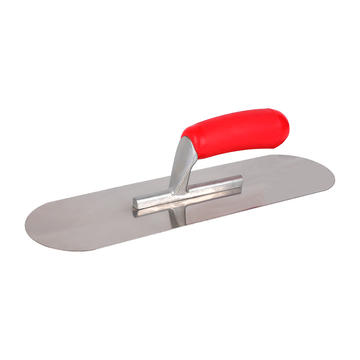
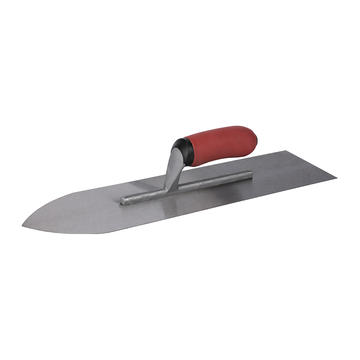
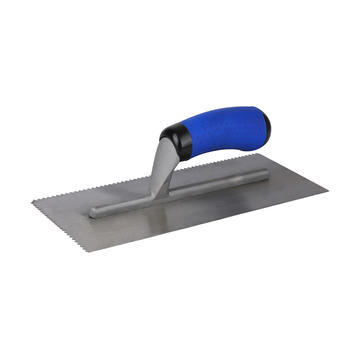
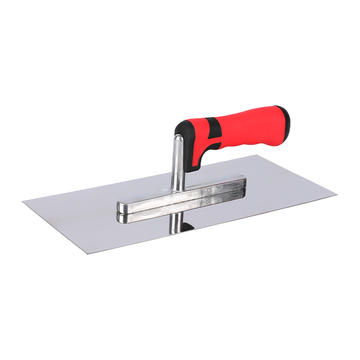
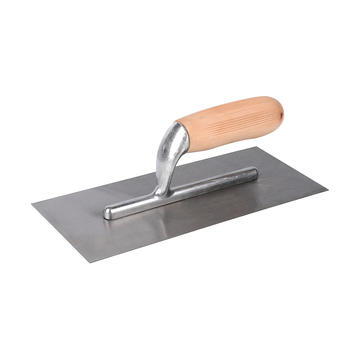
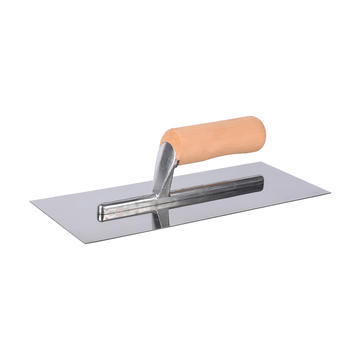
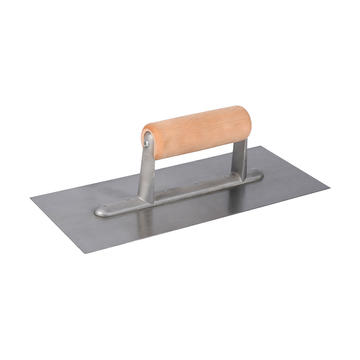
Surface finishing requires control, consistency, and tools that match the material being applied. Whether a contractor is smoothing interior walls, repairing damaged plaster, or preparing a surface for a decorative finish, the choice of hand tool can influence the working process and the final appearance. A Plaster Trowel may look simple, but blade geometry, handle comfort, flexibility, and overall construction all affect how it performs on the job. For distributors and professional buyers, understanding these details helps when comparing models for different construction and renovation applications.
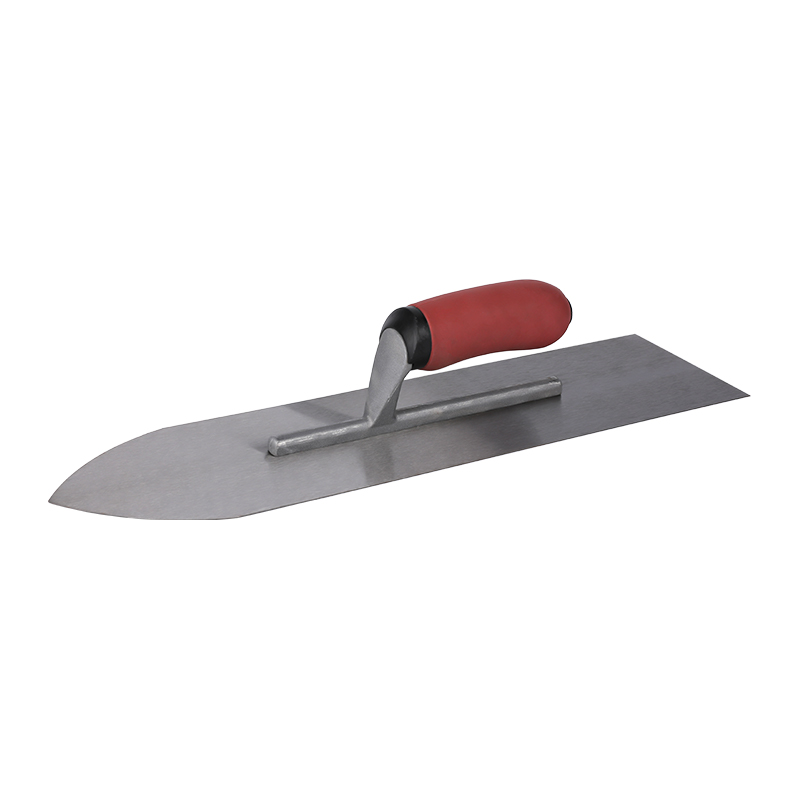
Match the Blade to the Intended Task
Not every plastering job requires the same blade shape or working feel. Broad, relatively flat blades can help cover larger areas, while smaller tools may be more convenient around corners, narrow sections, and repair spots. The right choice depends on the surface area, plaster consistency, and level of finishing control required.
Buyers should consider the type of work their customers perform often before choosing a product range. Contractors handling large wall surfaces may prioritize smooth coverage and efficient movement, whereas maintenance teams may need tools that are easier to control in confined areas. A clearly organized range helps suppliers meet these different needs without treating every plastering task as identical.
Blade Flexibility Influences Surface Control
Blade flexibility affects how a trowel responds when pressure is applied. A blade that is too rigid for a particular task may feel difficult to control during delicate finishing, while excessive flexibility can make it harder to maintain the desired contact with the surface.
The appropriate balance depends on the application and the user's working technique. During product evaluation, buyers can check how the blade responds to hand pressure and whether it maintains a suitable shape during typical movements. Manufacturers should consider blade material, thickness, geometry, and production consistency together rather than treating flexibility as an isolated feature.
Handle Design Matters During Repeated Use
Plastering often involves repeated strokes, changes in direction, and extended periods of hand work. Handle shape, grip texture, balance, and the connection between the handle and blade can influence how comfortably a tool is controlled.
A handle should provide a secure grip without making the tool feel unnecessarily bulky. Buyers comparing plastering trowels can hold samples and simulate common working movements to assess how the tool sits in the hand. The connection should also be checked for visible gaps, looseness, or uneven assembly, as these details can affect the user's confidence during application.
What Should Buyers Inspect Before Ordering?
For importers, wholesalers, and construction-tool suppliers, a structured product review makes it easier to compare samples and communicate requirements. Useful inspection points include:
- Blade flatness and visible surface condition.
- Edge finish and consistency along the working side.
- Blade response under normal hand pressure.
- Handle grip, balance, and attachment quality.
- Overall dimensions and suitability for the intended task.
- Packaging protection during storage and transportation.
These checks help buyers evaluate practical construction details rather than relying only on product photographs or a brief description.
Surface Quality Supports Consistent Finishing
The working surface and edges of a trowel should be examined carefully because they come into direct contact with plaster. Visible defects, uneven edges, or unwanted irregularities may interfere with smooth movement across the material. The exact requirements depend on the finishing task, so product evaluation should reflect the intended use.
From a manufacturer's perspective, attention to material preparation, edge finishing, assembly, and final inspection helps maintain a consistent product standard. Buyers can also establish an approved sample as a reference for future orders, making it easier to communicate expectations when purchasing the same model again.
Choose a Range That Fits Customer Needs
A supplier's product selection should reflect the work performed by its target customers. Different blade sizes, handle designs, and construction options can serve different finishing requirements, but too many similar models may make selection confusing. Clear product descriptions should explain the intended application and meaningful differences between models.
Manufacturers can support this process by discussing the working conditions, preferred tool dimensions, and packaging needs before finalizing a product specification. This approach gives buyers a practical basis for organizing their assortment and helps ensure that product choices are linked to real construction tasks.
Make Tool Selection Part of the Finishing Plan
A suitable Plaster Trowel should match the material, working surface, finishing method, and user's preferred handling style. Buyers who evaluate blade geometry, flexibility, grip, edge quality, and manufacturing consistency can make more informed sourcing decisions. For manufacturers, understanding these application requirements helps guide product development and quality control. Selecting a Plaster Trowel based on the actual finishing task, rather than appearance alone, can help contractors work with greater control and help distributors build a more relevant tool range.